1. Rapid Evolution and Adaptation:
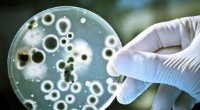
* Antibiotic Resistance: HGT plays a crucial role in the spread of antibiotic resistance genes among bacteria. Bacteria can acquire resistance genes from other bacteria, leading to rapid adaptation to antibiotics and posing a serious threat to public health.
* Environmental Adaptation: Organisms can acquire genes for survival in challenging environments, such as those with extreme temperatures, toxic substances, or limited resources. This allows them to adapt quickly to changing conditions.
* New Functions: HGT can introduce completely new functions to an organism. For instance, some bacteria gained the ability to produce toxins or break down complex molecules through HGT.
2. Shaping Microbial Diversity:
* Species Diversification: HGT can lead to the emergence of new species. The transfer of genes can introduce novel traits that differentiate populations, leading to speciation events.
* Genome Evolution: HGT contributes significantly to the diversification and evolution of microbial genomes. This can involve gene loss, duplication, or the acquisition of entirely new genes.
* Ecological Interactions: HGT can alter the interactions between organisms, affecting their ecological roles and relationships.
3. Technological Applications:
* Biotechnology: HGT is a fundamental tool in biotechnology, allowing researchers to modify organisms for specific purposes. For example, genetic engineering relies on transferring genes between organisms to create crops with improved traits or bacteria that produce valuable bioproducts.
* Gene Therapy: HGT holds promise for gene therapy, where genes are transferred to correct genetic defects in humans.
4. Challenges and Risks:
* Unintended Consequences: The introduction of foreign genes can have unforeseen consequences. For example, the introduction of a gene conferring herbicide resistance could unintentionally transfer to related weeds, making them harder to control.
* Biosecurity: HGT can pose risks to biosecurity. The transfer of genes between organisms could lead to the emergence of new pathogens or the spread of harmful genes.
In summary, the movement of genes from one organism to another is a powerful evolutionary force that drives rapid adaptation, shapes microbial diversity, and has significant implications for biotechnology and biosecurity. Understanding HGT is crucial for tackling challenges related to antibiotic resistance, environmental change, and the emergence of new pathogens.