1. Revolutionized our understanding of life on Earth: Darwin's theory provided a compelling explanation for the diversity and interconnectedness of life, replacing the prevailing idea of unchanging species. He argued that species evolve over time through a process of natural selection, where individuals with traits better suited to their environment are more likely to survive and reproduce, passing on those advantageous traits to their offspring.
2. Laid the foundation for modern evolutionary biology: Darwin's work sparked a revolution in biological thought. His ideas, combined with later developments in genetics, formed the basis of modern evolutionary biology, a field that studies the origin, diversity, and adaptation of life on Earth.
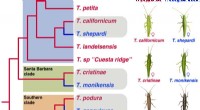
3. Explained the interconnectedness of all life: Darwin's theory highlighted the shared ancestry of all living organisms, emphasizing the interconnectedness of the natural world. This understanding has profoundly influenced fields like ecology, conservation biology, and medicine.
4. Changed our perspective on human nature: Darwin's theory challenged the traditional view of humans as separate and distinct from other species. He argued that humans, like all other organisms, are products of evolution and are subject to the same natural laws. This view has had a significant impact on our understanding of human behavior, society, and our place in the natural world.
5. Continues to inspire research and innovation: Darwin's ideas remain central to contemporary research in biology. His theory continues to be refined and expanded upon, leading to new insights into the mechanisms of evolution and the diversity of life.
In summary, Charles Darwin's contributions to biology are monumental. His theory of evolution by natural selection transformed our understanding of the natural world, shaping our scientific perspectives on life, adaptation, and the interconnectedness of all living organisms. His legacy continues to inspire research and innovation in biological fields today.