Basic Laboratory Equipment:
* Microscopes: To visualize cells, tissues, and microorganisms.
* Light Microscopes: Used for viewing stained or unstained specimens.
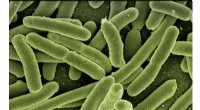
* Electron Microscopes: Offer much higher resolution, allowing for visualization of internal structures of cells.
* Centrifuges: Separate components of biological samples based on density.
* Spectrophotometers: Measure the absorbance and transmission of light, used for analyzing concentrations of molecules.
* Balances: Measure the mass of substances.
* Pipettes: Transfer and measure precise volumes of liquids.
* Incubators: Provide controlled environments for cell cultures and other experiments.
* Autoclaves: Sterilize equipment and materials.
* Freezers and Refrigerators: Store biological samples at specific temperatures.
Molecular Biology Techniques:
* PCR (Polymerase Chain Reaction): Amplifies specific DNA sequences.
* Gel Electrophoresis: Separates DNA, RNA, or proteins based on size and charge.
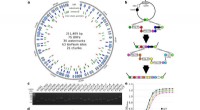
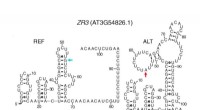
* DNA Sequencing: Determines the order of nucleotides in DNA.
* Cloning: Creates multiple copies of a gene or DNA fragment.
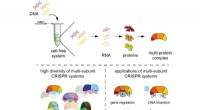
* Gene Editing: Modifies the genetic code of organisms.
* Microarrays: Analyze the expression of thousands of genes simultaneously.
* Next-Generation Sequencing (NGS): High-throughput sequencing technology for analyzing large amounts of genetic data.
Bioinformatics Tools:
* Sequence Alignment Software: Aligns DNA or protein sequences to identify similarities and differences.
* Phylogenetic Software: Constructs evolutionary trees based on genetic data.
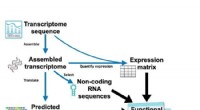
* Genome Browsers: Visualize and analyze entire genomes.
* Statistical Software: Analyze large datasets and identify patterns.
Other Tools:
* Field Equipment: For observing and collecting samples in the natural environment.
* Imaging Techniques:
* Magnetic Resonance Imaging (MRI): Visualizes internal structures of living organisms.
* Computed Tomography (CT) Scan: Creates 3D images of internal structures.
* Fluorescent Microscopy: Uses fluorescent dyes to visualize specific molecules within cells.
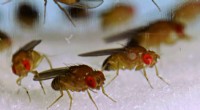
* Animal Models: Laboratory animals used to study biological processes.
Beyond the Laboratory:
* Collaboration and Communication: Biologists often work in teams and share their findings through publications, conferences, and other means.
* Data Analysis and Interpretation: This critical skill is crucial for drawing conclusions from research results.
This is not an exhaustive list, but it provides a good overview of the diverse tools that biologists use to explore the fascinating world of life. The tools available to biologists continue to evolve, driving groundbreaking discoveries in medicine, agriculture, and environmental science.