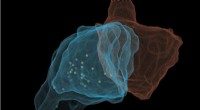
* Renewal and repair: Skin cells are constantly being shed and replaced. Cell division in the basal layer of the epidermis produces new cells that migrate upwards, replacing those that are lost.
* Wound healing: When skin is injured, cell division increases to rapidly produce new cells to close the wound and repair the damaged tissue.
* Maintaining skin integrity: Cell division ensures a continuous supply of new cells to maintain the structural integrity and protective barrier of the skin.
* Growth and development: During childhood and adolescence, cell division in the epidermis contributes to the growth and development of the skin.
Types of cell division involved:
* Mitosis: The primary type of cell division in the epidermis, responsible for creating identical copies of cells for renewal and repair.
* Meiosis: Not directly involved in skin cell division. Meiosis is a specialized form of cell division that produces gametes (sperm and egg cells).
Other important points:
* The rate of cell division in the epidermis varies depending on the location and the individual's age.
* Cell division is tightly regulated by various signaling pathways and growth factors to ensure proper skin development and function.
* Abnormalities in cell division can lead to skin disorders such as psoriasis and skin cancer.