1. DNA Sequencing:
* Direct Sequencing: This is the most common and straightforward method. The DNA region of interest is amplified using PCR (Polymerase Chain Reaction) and then sequenced using automated sequencing techniques. The sequence is then compared to a reference sequence (usually a wild-type or normal sequence). Any differences in the sequences indicate a mutation.
* Next-Generation Sequencing (NGS): This is a high-throughput sequencing technology that can sequence millions of DNA fragments simultaneously. NGS is particularly useful for detecting mutations in large regions of the genome or for identifying mutations in a population of cells.
2. Electrophoresis:
* Restriction Fragment Length Polymorphism (RFLP): This technique uses restriction enzymes, which cut DNA at specific sequences. If a mutation changes a restriction site, the size of the DNA fragments produced will be altered. This can be visualized using gel electrophoresis.
* Single-Strand Conformational Polymorphism (SSCP): This technique uses the fact that single-stranded DNA molecules with mutations fold differently. The differently folded molecules migrate differently on a gel, allowing detection of mutations.
3. Molecular Assays:
* Allele-Specific Oligonucleotide (ASO) Hybridization: This technique uses short DNA probes that are complementary to specific alleles. Probes that match the mutated allele will hybridize to the DNA, while probes that match the wild-type allele will not.
* Polymerase Chain Reaction (PCR) with Mutation-Specific Primers: PCR primers are designed to specifically amplify the mutated allele. If the mutation is present, the PCR product will be amplified, while it will not be amplified if the mutation is absent.
4. Phenotypic Analysis:
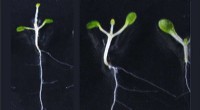
* Changes in Observable Traits: Some mutations result in observable changes in the organism's phenotype, such as changes in color, size, or behavior. These changes can be used to identify individuals with mutations.
* Functional Assays: This involves testing the activity of a protein or enzyme that is encoded by the mutated gene. If the protein or enzyme is non-functional or has altered activity, this can be used to identify the mutation.
5. Cell Culture Techniques:
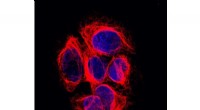
* Immortalized Cell Lines: Certain cell lines can be grown in the lab and can be used to study mutations. These cell lines can be used to investigate the effects of mutations on cell growth, proliferation, and other cellular processes.
* Gene Editing Technologies: Tools like CRISPR-Cas9 can be used to introduce specific mutations into cell lines, allowing for the study of the effects of the mutation.
6. Population Studies:
* Mutation Frequency: By studying the frequency of mutations in a population, biologists can identify mutations that are associated with specific diseases or phenotypes.
* Population Genetics: Population genetic studies can track the evolution of mutations over time and their impact on the population's overall fitness.
It is important to note that the methods used to determine whether a mutation has occurred will vary depending on the specific context and the research question being addressed. Combining multiple approaches can often provide more robust evidence for the presence of a mutation.