1. Scientific Discoveries:
* Advances in Genomics and Bioinformatics: Our ability to sequence and analyze genomes has opened up vast possibilities for understanding disease, developing personalized medicine, and engineering new organisms.
* Synthetic Biology: The ability to design and synthesize new biological systems and organisms has led to the development of new therapies, biofuels, and materials.
* CRISPR-Cas9 Gene Editing: This breakthrough technology has revolutionized gene editing, with applications in medicine, agriculture, and biomanufacturing.
2. Technological Innovations:
* High-throughput Screening: The ability to test millions of compounds and genetic variants quickly has enabled the development of new drugs, diagnostics, and agricultural products.
* Microfluidics and Lab-on-a-Chip Technologies: Miniaturized systems for biological analysis have enabled faster, cheaper, and more portable diagnostics.
* Artificial Intelligence and Machine Learning: AI is being used to analyze vast datasets, predict disease, and design new drugs and treatments.
3. Societal Needs:
* Growing Global Population: Biotechnology plays a critical role in addressing food security, disease prevention, and environmental challenges.
* Increasing Healthcare Costs: Biotechnology offers the potential for more effective and affordable treatments for diseases like cancer and Alzheimer's.
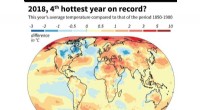
* Climate Change: Biotechnology is being used to develop sustainable biofuels, capture carbon dioxide, and create more efficient agricultural practices.
4. Interdisciplinary Collaboration:
* Bioengineering: The combination of biology and engineering principles has driven innovation in biomaterials, biosensors, and biomanufacturing.
* Nanobiotechnology: The use of nanomaterials and nanotechnologies in biological systems has opened up new possibilities in drug delivery, imaging, and diagnostics.
Emerging Fields Examples:
* Personalized Medicine: Tailoring treatments based on an individual's genetic makeup.
* Synthetic Biology: Engineering new organisms for specific purposes, like biofuel production.
* Bioprinting: Using 3D printing to create tissues and organs.
* CRISPR Therapeutics: Developing new therapies based on CRISPR-Cas9 gene editing.
* Bioinformatics and Big Data: Analyzing vast amounts of biological data to understand disease and develop new treatments.
It's important to note that these are just a few examples, and the field of biotechnology is constantly evolving with new discoveries and technologies emerging all the time. The source of the most recent emerging field is likely to be a combination of the factors mentioned above, driven by the ingenuity of scientists and engineers, and the need to address societal challenges.