Growth and Development:
* Multicellular organisms: Cell division allows organisms to grow from a single fertilized egg into a complex body with specialized tissues and organs.
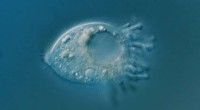
* Single-celled organisms: Cell division is the primary means of reproduction for single-celled organisms like bacteria and amoeba.
Repair and Regeneration:
* Tissue repair: Cell division replaces damaged or worn-out cells, ensuring the integrity of tissues and organs.
* Wound healing: Cell division is crucial for the process of wound healing, allowing tissues to regenerate and close wounds.
Reproduction:
* Sexual reproduction: Cell division is essential for the formation of gametes (sperm and egg) and the subsequent development of a new organism.
* Asexual reproduction: Many organisms, like plants and some animals, reproduce asexually through cell division, creating genetically identical offspring.
Maintenance and Homeostasis:
* Cell turnover: Cell division ensures a constant turnover of cells, replacing old and damaged cells with new ones.
* Immune response: Cell division plays a role in the immune response, producing new immune cells to fight infections.
Other functions:
* Cell differentiation: Cell division can lead to specialized cells with distinct functions.
* Cancer development: While cell division is normally tightly regulated, uncontrolled cell division is the hallmark of cancer.
Types of Cell Division:
There are two main types of cell division:
* Mitosis: Produces two daughter cells that are genetically identical to the parent cell. It is responsible for growth, repair, and asexual reproduction.
* Meiosis: Produces four daughter cells with half the number of chromosomes as the parent cell. It is responsible for the formation of gametes during sexual reproduction.
Cell division is a complex and essential process that underpins life itself. It allows organisms to grow, reproduce, repair, and maintain themselves. Understanding cell division is crucial for understanding biology and medicine.