1. Cell Wall Formation:
* Plant Cells: Plant cells have a rigid cell wall made of cellulose. During cell division, a new cell wall forms between the daughter cells. This process starts with the formation of a cell plate, which is a structure made of cellulose and other materials. The cell plate grows outward, eventually fusing with the existing cell wall to create two separate cells.
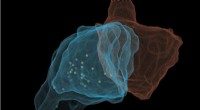
* Animal Cells: Animal cells lack a rigid cell wall. Instead, they form a cleavage furrow at the cell surface, which is a pinching-in of the plasma membrane. The furrow deepens and eventually pinches the cell in two, separating the daughter cells.
2. Centrioles:
* Plant Cells: Most plant cells lack centrioles, which are small, cylindrical structures involved in organizing microtubules during cell division.
* Animal Cells: Animal cells typically have centrioles, which play a crucial role in forming the spindle fibers that pull chromosomes apart during mitosis.
3. Cytokinesis:
* Plant Cells: The formation of the cell plate during cytokinesis is a defining characteristic of plant cell division.
* Animal Cells: Cytokinesis in animal cells is achieved through the formation of a cleavage furrow.
4. Other Differences:
* Organelles: Some organelles, like chloroplasts, are present in plant cells but not in animal cells.
* Cell Growth: Plant cells often continue to grow after cell division, whereas animal cells usually stop growing after division.
Here's a table summarizing the differences:
| Feature | Plant Cells | Animal Cells |
|----------------------|-----------------------------------|------------------------------------|
| Cell Wall | Present | Absent |
| Centrioles | Mostly absent | Present |
| Cytokinesis | Cell plate formation | Cleavage furrow formation |
| Organelles | Chloroplasts, vacuoles | Lysosomes, centrioles |
In summary: While both plant and animal cells undergo cell division, the mechanisms involved differ significantly, primarily due to the presence of a cell wall in plant cells and the absence of centrioles in many plant cells. These differences are crucial for the specific needs of each cell type.