Lake Wylie, like any other ecosystem, teems with life that interacts with each other and the environment. Here are some examples of biotic factors within its ecosystem:
Producers (Autotrophs):
* Phytoplankton: Microscopic algae form the base of the food web, providing energy through photosynthesis.
* Aquatic Plants: Submerged, floating, and emergent plants like water lilies, cattails, and reeds provide habitat and oxygen.
* Trees and Shrubs: Trees along the shoreline provide shade and contribute organic matter to the lake.
Consumers (Heterotrophs):
* Zooplankton: Tiny animals that feed on phytoplankton, linking the base of the food web to larger organisms.
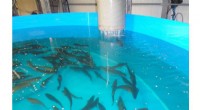
* Fish: A wide variety of fish species, including bass, crappie, catfish, and sunfish, are important components of the lake's ecosystem.
* Insects: Various insects, including dragonflies, mayflies, and water beetles, contribute to the food web and play a role in pollination.
* Amphibians: Frogs, toads, and salamanders contribute to the ecosystem's balance.
* Reptiles: Snakes, turtles, and alligators are important predators in the lake.
* Birds: A variety of birds, including ducks, geese, herons, and eagles, depend on the lake for food and habitat.
* Mammals: Beavers, otters, and deer can be found along the shores, impacting the lake's vegetation.
Decomposers:
* Bacteria and Fungi: These microorganisms break down dead organic matter, releasing nutrients back into the ecosystem.
Other Biotic Interactions:
* Competition: Organisms compete for resources like food, space, and light.
* Predation: Predators like fish, birds, and alligators hunt and consume other organisms.
* Parasitism: Parasites live in or on another organism and benefit from it while harming the host.
* Mutualism: Both organisms in a mutualistic relationship benefit from each other.
It's important to note: The specific biotic factors present in Lake Wylie will vary depending on the location within the lake, the season, and other factors. However, the general principles of the food web and interactions between organisms remain constant.