1. Variation: Individuals within a population exhibit variations in their traits due to genetic differences.
2. Inheritance: These variations are passed down from parents to offspring through the mechanisms of genetics.
3. Selection: Certain traits may provide individuals with an advantage in survival and reproduction in their environment. These individuals are more likely to survive and pass on their beneficial traits to their offspring.
4. Time: Over time, the frequency of advantageous traits increases in a population, while less advantageous traits may decrease.
5. Randomness: Mutations, genetic drift, and gene flow can introduce new variations or change the frequencies of existing ones, even if they are not directly related to natural selection.
Here are some specific examples of microevolutionary processes:
* Natural selection: This is the process by which individuals with traits that make them better adapted to their environment are more likely to survive and reproduce. For example, if a population of insects is exposed to a new insecticide, individuals with a gene for resistance will be more likely to survive and reproduce, leading to an increase in the frequency of the resistance gene in the population.
* Genetic drift: This is the random change in the frequency of alleles in a population due to chance events. This is particularly important in small populations, where random events can have a large impact. For example, a small population of butterflies might lose a particular allele by chance if a few individuals with that allele are killed by a storm.
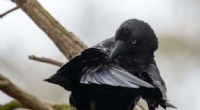
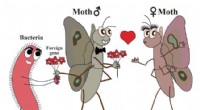
* Gene flow: This is the movement of genes between populations. This can introduce new alleles into a population or change the frequency of existing alleles. For example, if a group of birds from one population migrates to a new location and interbreeds with the local population, they will introduce new alleles into the local population.
In summary, microevolution is the ongoing process of small-scale changes within a population, driven by natural selection, genetic drift, gene flow, and mutations. These changes can lead to significant evolutionary shifts over longer periods of time.