Natural Processes:
* Rapid Burial: The most common way soft tissue is preserved is by rapid burial in sediment. This can happen in events like volcanic eruptions, landslides, or sudden floods. The lack of oxygen and the weight of the sediment slow down decomposition.
* Anoxic Environments: These environments lack oxygen, inhibiting the bacteria that break down organic matter. Examples include peat bogs, tar pits, and some deep ocean sediments.
* Freezing: Extremely low temperatures slow down decomposition and can preserve soft tissue for long periods. This is common in permafrost regions and ice cores.
* Amber: Insects and other small organisms can be trapped in resin, which then hardens into amber, preserving them in three dimensions.
Artificial Processes:
* Formaldehyde: This chemical stops decomposition and preserves the shape and color of tissues. It is widely used in museums and medical laboratories.
* Alcohol: Similar to formaldehyde, alcohol dehydrates the tissue, halting decomposition and preserving its structure.
* Glycerin: Glycerin is another chemical used to preserve tissues by dehydrating and stabilizing them.
* Freezing: While natural freezing is a preservation method, controlled freezing can also be used for long-term storage of biological specimens.
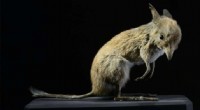
* Taxidermy: This involves mounting and preserving the skin of animals. While not preserving soft tissue in its entirety, it offers a way to preserve the external structure of an organism.
Other Factors Influencing Preservation:
* pH: The acidity or alkalinity of the environment can affect the rate of decomposition. Acidic environments can sometimes preserve soft tissue, as they inhibit bacteria.
* Presence of Minerals: Some minerals can react with tissues and create a hardened fossil, preserving their shape and structure.
* Time: The longer the organism remains exposed to the elements, the more likely it is to decompose.
It's important to note that even with these processes, complete preservation of soft tissues is rare. Factors like the type of organism, the environment, and the time elapsed all contribute to the chances of preservation.
However, by understanding these processes, scientists can better identify potential locations for fossil discoveries and learn more about ancient life forms.