1. Specificity: Restriction enzymes are highly specific. They recognize and cut DNA at particular sequences, often 4-8 base pairs long.
2. Modification: Bacteria have a complementary system of modification enzymes that attach a methyl group (CH3) to a specific base within the restriction enzyme's recognition site. This methylation acts like a "shield" that prevents the restriction enzyme from cutting the DNA at that site.
3. Self-Protection: The modification enzymes act on the bacterial DNA, adding the methyl groups. This means the restriction enzyme recognizes its own DNA as "modified" and does not cut it.
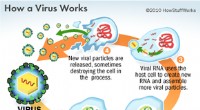
4. Foreign DNA: When a bacteriophage (virus that infects bacteria) or other foreign DNA enters the bacterial cell, it is usually unmethylated at the restriction enzyme's recognition sites. This makes the foreign DNA vulnerable to cleavage by the restriction enzyme, protecting the bacterium from infection.
In summary:
* Restriction enzymes: Cut DNA at specific sequences.
* Modification enzymes: Add methyl groups to the bacterial DNA at the same recognition sites.
* Methylation: Protects the bacterial DNA from being cut by the restriction enzymes.
This system is known as restriction-modification system and is a key defense mechanism against foreign DNA in bacteria. It is also the basis for many biotechnological applications, including gene cloning and DNA fingerprinting.