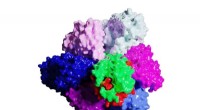
Biotinidase is an enzyme crucial for recycling biotin, a vital vitamin also known as vitamin B7 or vitamin H. This enzyme plays a critical role in breaking down biocytin, a molecule containing biotin, into free biotin and lysine. This process ensures our bodies can effectively absorb and utilize biotin.
Here's a breakdown of its role:
* Biotin: Essential for various bodily functions: Biotin participates in numerous metabolic processes, including:
* Energy production
* Fatty acid metabolism
* DNA replication and repair
* Amino acid metabolism
* Gluconeogenesis (glucose production)
* Myelin formation (essential for nerve function)
* Biocytin: Biotin bound to lysine: Biocytin is a form of biotin that is produced in the body.
* Biotinidase: Breaking down biocytin: The enzyme biotinidase breaks down biocytin into free biotin and lysine, making biotin available for the body to use.
What happens when biotinidase is deficient?
Biotinidase deficiency is a rare genetic disorder where the body lacks or has reduced activity of the biotinidase enzyme. This leads to a buildup of biocytin and a shortage of free biotin, resulting in various health issues:
* Metabolic complications: Reduced biotin levels affect energy production, fatty acid metabolism, and other essential processes.
* Neurological problems: Biotin is crucial for myelin formation and nerve function. Deficiency can cause seizures, developmental delays, and neurological impairments.
* Skin and hair problems: Biotin deficiency can manifest as skin rashes, brittle hair, and nail problems.
Treatment for biotinidase deficiency:
The primary treatment for biotinidase deficiency is lifelong biotin supplementation. This ensures sufficient biotin levels to prevent the complications associated with the disorder.
In summary, biotinidase is a vital enzyme for biotin recycling and utilization. Deficiencies can cause serious health issues, highlighting the importance of this enzyme for overall health.