Here are some specific locations where you might find chemosynthetic organisms:
* Deep Sea Hydrothermal Vents: These are hot springs on the ocean floor where chemicals like hydrogen sulfide and methane are released from the Earth's interior.
* Cold Seeps: Similar to hydrothermal vents, these areas release methane and other hydrocarbons from the seafloor.
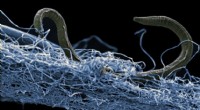
* Subsurface Rock Formations: Some chemosynthetic organisms live within rocks deep underground, utilizing chemicals in the rock as their energy source.
* Cave Environments: Some caves lack sunlight and host chemosynthetic bacteria that utilize sulfur compounds.
It's important to note that while chemosynthetic organisms are often found in extreme environments, they can also be found in more moderate locations like:
* Soil: Certain bacteria use inorganic chemicals in the soil for energy.
* Gut of Animals: Some symbiotic bacteria within animals like ruminants (cows, sheep) use chemicals from the digestive system.
In essence, chemosynthetic organisms are fascinating examples of life thriving in environments that would seem impossible for most organisms. They demonstrate the adaptability and diversity of life on Earth.