1. Growth and Development:
* Multicellular organisms: Cell division is essential for growth and development from a single fertilized egg to a complex organism.
* Unicellular organisms: Division allows them to reproduce and increase in number.
2. Repair and Renewal:
* Tissue repair: Cell division replaces damaged or worn-out cells, ensuring the integrity of tissues and organs.
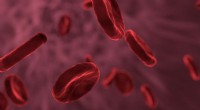
* Renewal of cells with limited lifespans: This includes cells like blood cells, skin cells, and intestinal lining cells.
3. Reproduction:
* Sexual reproduction: Cell division through meiosis produces gametes (sperm and egg) with half the number of chromosomes, allowing for genetic diversity in offspring.
* Asexual reproduction: Some eukaryotes reproduce asexually using mitotic cell division to create genetically identical offspring.
4. Maintaining Genetic Information:
* Accurate replication of DNA: Cell division ensures that each daughter cell receives a complete and accurate copy of the parent cell's DNA, maintaining genetic integrity.
5. Specialized Cells and Tissues:
* Cell differentiation: During development, cells divide and specialize into different types with specific functions, leading to the formation of diverse tissues and organs.
6. Homeostasis:
* Cell turnover: Cell division contributes to maintaining the balance of cell numbers in different tissues, essential for proper functioning of the organism.
7. Response to Environmental Changes:
* Cell division can be regulated: Factors like stress, nutrient availability, and hormones can influence cell division rate, allowing organisms to adapt to their environment.
In summary, cell division is critical for the survival, growth, reproduction, and overall well-being of eukaryotes. It ensures the continuity of life, maintaining genetic information, enabling development, and supporting essential functions for the organism.