Here's why:
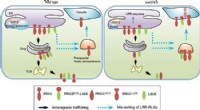
* Mitochondria are the primary energy producers in animal cells: Animal cells rely heavily on mitochondria to generate ATP (adenosine triphosphate), the cell's primary energy currency, through cellular respiration.
* Plant cells have chloroplasts: Chloroplasts are the unique organelles found in plants that are responsible for photosynthesis. Through photosynthesis, plants convert light energy into chemical energy in the form of sugars. This process is far more significant in plant cells than cellular respiration.
* Mitochondria play a supporting role in plant cells: While mitochondria in plant cells do generate ATP through cellular respiration, this is a secondary energy source. They primarily use the sugars produced through photosynthesis to fuel their cellular processes.
Therefore, while mitochondria are important for plant cells, they are not the primary energy producers. That title belongs to the chloroplasts.