Here's a breakdown:
* Inherited: This means the characteristic is passed down from parents to offspring through genes.
* Increases chance of survival: This means the characteristic helps an organism live longer and reproduce more successfully in its environment.
Examples of Adaptations:
* Camouflage: A chameleon changing its color to blend into its surroundings, making it harder for predators to see it.
* Thick fur: A polar bear having thick fur to stay warm in freezing Arctic environments.
* Sharp claws: A lion having sharp claws for hunting and defense.
* Poisonous venom: A snake having venomous fangs to deter predators and subdue prey.
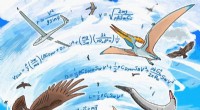
* Strong wings: A bird having strong wings to fly and escape from predators.
Key Concepts:
* Natural selection: The process by which organisms with beneficial adaptations are more likely to survive and reproduce, passing their genes on to the next generation.
* Evolution: The gradual change in the characteristics of a species over time, driven by natural selection.
In essence, adaptations are the result of evolution. Over many generations, organisms with traits that make them better suited to their environment are more likely to survive and reproduce, leading to a gradual increase in the frequency of those traits in the population.