1. Cytoskeleton:
This is a network of protein filaments that provides structure and support to the cell. It is involved in cell movement in several ways:
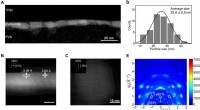
* Microtubules: These are hollow tubes made of tubulin proteins. They act as tracks for motor proteins to move organelles and vesicles within the cell. They also form the structural basis of cilia and flagella, which are used for movement in some cells.
* Microfilaments: These are thin strands of actin protein. They are responsible for muscle contraction, cell crawling, and other forms of cell movement.
* Intermediate filaments: These are tough, rope-like structures that provide mechanical support to the cell. They also play a role in cell adhesion and migration.
2. Motor proteins: These are proteins that use energy from ATP to move along cytoskeletal filaments. They can transport cargo, such as organelles or vesicles, or they can cause the filaments themselves to slide past each other, leading to cell movement.
3. Cilia and Flagella:
These are hair-like structures that project from the surface of some cells.
* Cilia: Short and numerous, they beat in a coordinated fashion to create a wave-like movement that propels fluids past the cell.
* Flagella: Long and whip-like, they create a propelling force that moves the cell itself.
4. Cell Adhesion Molecules: These proteins on the cell surface help cells adhere to each other and to the extracellular matrix. This adhesion is crucial for cell migration, as it allows cells to move in a coordinated way and to maintain their shape.
5. Extracellular Matrix (ECM): This is a complex network of proteins and carbohydrates that surrounds cells. It provides a framework for cell movement and can also influence cell behavior.
The specific structures involved in cell movement vary depending on the type of cell and the type of movement. For example, muscle cells rely heavily on microfilaments and motor proteins for contraction, while sperm cells use flagella for locomotion.