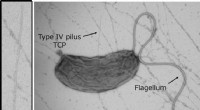
* They have a cellular structure: Bacteria are single-celled organisms with a cell membrane, cytoplasm, and genetic material (DNA). This is a defining characteristic of life.
* They reproduce: Bacteria reproduce asexually, typically through binary fission, where one cell divides into two identical daughter cells.
* They metabolize: Bacteria take in nutrients, convert them into energy, and produce waste products. This is a fundamental aspect of life, allowing them to grow and function.
* They respond to stimuli: Bacteria react to changes in their environment, such as temperature, nutrient availability, and the presence of toxins. This ability to respond is essential for survival.
* They evolve: Bacteria have the ability to adapt and change over time, passing on beneficial mutations to their offspring. This evolutionary process drives their diversity and survival.
While bacteria are incredibly small and simple compared to complex organisms like animals and plants, they share the key characteristics that define life.