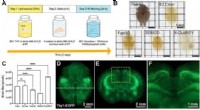
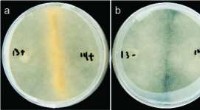
Genetic modification (GM) is a powerful technique that allows scientists to alter the genetic makeup of organisms, leading to desirable changes in their traits. This can involve:
1. Introducing New Genes:
* Gene Transfer: Using vectors like viruses or plasmids, new genes can be inserted into the organism's genome. This can introduce entirely new traits or enhance existing ones.
* Transgenesis: This involves introducing a gene from a different species, leading to the expression of a novel protein and its associated function.
2. Modifying Existing Genes:
* Gene Editing: Techniques like CRISPR-Cas9 allow for precise changes in specific DNA sequences. This can involve deleting, inserting, or modifying genes, leading to targeted alterations.
* Knockouts: Removing or inactivating specific genes to study their function or eliminate undesired traits.
* Knock-ins: Replacing existing genes with modified versions or introducing new ones at specific locations.
3. Silencing Genes:
* RNA Interference (RNAi): Short RNA molecules can target specific genes and prevent their expression, effectively silencing them.
Methods for Delivering Genetic Modifications:
* Viral vectors: Viruses are naturally good at delivering genetic material into cells. Modified viruses are used to carry the desired gene into the target organism.
* Plasmids: These small circular DNA molecules can be engineered to carry the desired gene and are then introduced into the organism's cells.
* Microinjection: Using a fine needle, genetic material is directly injected into the nucleus of a cell.
* Biolistic transformation: Tiny particles coated with DNA are shot into cells using a gene gun.
* Electroporation: Brief electrical pulses create temporary pores in cell membranes, allowing DNA to enter.
Applications of Genetic Modification:
* Agriculture: Developing pest-resistant crops, improving nutrient content, and increasing yields.
* Medicine: Producing therapeutic proteins, creating disease-resistant animals, and developing gene therapies.
* Environment: Creating organisms that can clean up pollution, enhance biofuel production, and improve food security.
* Research: Studying gene function, understanding disease mechanisms, and developing new research models.
Ethical Considerations:
* Safety: Unintended consequences and potential risks to human health and the environment.
* Environmental impact: The spread of modified genes into wild populations and potential disruption of ecosystems.
* Social implications: Equity and access to GM technologies, and potential economic disparities.
It's important to note:
* Genetic modification is a complex field with ongoing research and advancements.
* Ethical considerations and regulations are crucial for responsible development and application of these technologies.
* The potential benefits and risks of genetic modification need careful assessment and discussion to ensure its safe and ethical use.