1. Structure & Function:
* Molecular Cell Biology: Focuses on the molecules within cells, their interactions, and how they contribute to cellular functions. This includes studying proteins, DNA, RNA, lipids, and carbohydrates.
* Cellular Organelles: Studying the individual components of cells, like the nucleus, mitochondria, endoplasmic reticulum, Golgi apparatus, lysosomes, etc. This includes understanding their structure, function, and interactions with each other.
* Cytoskeleton: Studying the network of protein filaments that provide structure, support, and movement within cells. This includes microtubules, microfilaments, and intermediate filaments.
* Cell Membrane Biology: Examining the structure and function of the cell membrane, including its role in transport, signaling, and cell-cell interactions.
2. Cell Processes & Metabolism:
* Cell Signaling: Studying how cells communicate with each other and with their environment through chemical signals. This involves understanding receptors, signaling pathways, and downstream responses.
* Cell Cycle & Division: Investigating the processes of cell growth, duplication, and division, including mitosis and meiosis. This area also involves understanding the regulation of these processes.
* Cellular Metabolism: Studying the chemical reactions that take place within cells, including energy production (respiration), biosynthesis, and degradation of molecules.
* Cellular Transport: Examining the movement of molecules across cell membranes, both passively and actively, and the mechanisms that regulate this transport.
3. Specialized Cell Types:
* Developmental Biology: Studying the processes of cell differentiation and development from a single cell into complex multicellular organisms.
* Stem Cell Biology: Investigating the properties of stem cells, their potential for self-renewal, and their role in tissue regeneration and repair.
* Neurobiology: Studying the structure and function of neurons and their role in the nervous system. This includes investigating neural networks, signaling, and behavior.
* Immunology: Focusing on the cells of the immune system, their functions, and their role in defending the body against pathogens.
4. Advanced Techniques & Technologies:
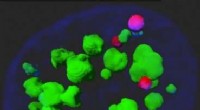
* Microscopy: Using advanced microscopes to visualize cellular structures and processes, including light microscopy, electron microscopy, and fluorescence microscopy.
* Molecular Biology Techniques: Utilizing techniques like PCR, DNA sequencing, gene editing, and protein analysis to study cellular components and processes.
* Computational Biology: Applying computational tools and algorithms to analyze large datasets in cell biology, aiding in understanding cellular mechanisms and developing new drugs.
Interdisciplinary Connections:
It's important to note that cell biology is highly interdisciplinary, overlapping with other fields like:
* Biochemistry: Understanding the chemistry of biological molecules within cells.
* Genetics: Studying the role of genes in controlling cellular functions.
* Biophysics: Applying physical principles to understand cellular processes.
* Medicine: Investigating the role of cellular dysfunction in disease and exploring potential therapeutic targets.
By studying the many facets of cell biology, we can gain a deeper understanding of life at its most fundamental level.