1. The Role of Glucose Transporters:
* Glucose is a polar molecule, meaning it has a charge distribution. This makes it difficult for glucose to pass through the cell's hydrophobic (water-repelling) lipid bilayer membrane.
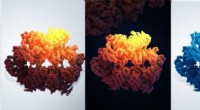
* To overcome this, cells have specialized proteins called glucose transporters embedded in their membrane.
* These transporters act as channels or carriers, providing a pathway for glucose to enter the cell.
2. Facilitated Diffusion: A Passive Process:
* Facilitated diffusion is a type of passive transport, meaning it doesn't require the cell to expend energy.
* Glucose moves down its concentration gradient, meaning it moves from an area of high glucose concentration (like the bloodstream) to an area of low concentration (like the cell's interior).
3. The Process of Transport:
* The glucose transporter binds to glucose on the outside of the cell.
* This binding causes a conformational change in the transporter, allowing glucose to move through the membrane into the cell.
* Once glucose is inside the cell, it is quickly used for energy production or stored as glycogen, which maintains the concentration gradient and allows more glucose to enter.
Types of Glucose Transporters:
* GLUT1: Found in most cells, responsible for basal glucose uptake.
* GLUT2: Primarily in liver and pancreatic beta cells, involved in glucose sensing and insulin release.
* GLUT3: High levels in neurons, important for brain energy.
* GLUT4: Found in muscle and adipose tissue, insulin-sensitive transporter that increases glucose uptake in response to insulin.
In summary: Glucose moves into cells through facilitated diffusion, a passive transport process facilitated by specific glucose transporter proteins embedded in the cell membrane. This process is vital for providing cells with the energy they need to function.