1. Metabolism: This refers to all the chemical reactions that occur within a cell to sustain life. Cells take in nutrients, break them down to release energy (catabolism), and use that energy to build and repair cellular components (anabolism). This includes:
* Energy production: Cells utilize various pathways like glycolysis, cellular respiration, and photosynthesis to generate ATP, the energy currency of the cell.
* Biosynthesis: Cells synthesize essential molecules like proteins, lipids, carbohydrates, and nucleic acids.
* Waste removal: Cells break down and eliminate waste products.
2. Reproduction: Cells reproduce through a process called cell division. This ensures the continuation of life and the propagation of genetic information:
* Binary fission: Prokaryotes divide asexually, creating two identical daughter cells.
* Mitosis: Eukaryotes use this process to produce two identical daughter cells.
* Meiosis: Eukaryotes use this process to produce gametes (sex cells) with half the number of chromosomes.
3. Response to Stimuli: Cells respond to changes in their environment, ensuring they can adapt and survive:
* Chemotaxis: Movement in response to chemical stimuli.
* Phototaxis: Movement in response to light stimuli.
* Growth and development: Cells adapt and change their structure and function in response to environmental signals.
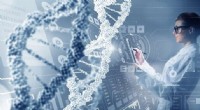
4. Genetic Information: Cells contain and use DNA as their genetic material:
* DNA replication: Cells replicate their DNA before division, ensuring each daughter cell receives a complete set of genetic instructions.
* Transcription: Cells transcribe the genetic information encoded in DNA into RNA.
* Translation: Cells translate the RNA code into proteins, the workhorses of the cell.
5. Homeostasis: Cells maintain a stable internal environment despite external changes. This includes:
* Regulation of water balance: Cells control the movement of water across their membranes.
* Regulation of pH: Cells maintain an appropriate pH for optimal enzyme function.
* Regulation of temperature: Cells maintain a stable internal temperature for optimal cellular function.
6. Structural Organization: Cells have a specific organization:
* Plasma membrane: A selectively permeable barrier that encloses the cell and regulates the passage of molecules.
* Cytoplasm: The gel-like substance that fills the cell and contains organelles.
* Ribosomes: Sites of protein synthesis.
7. Communication: Cells communicate with each other and with the external environment through:
* Signal transduction pathways: Cells receive and respond to signals from their environment.
* Cell junctions: Specialized structures that allow cells to connect and communicate with each other.
These are the fundamental functional abilities common to all cells. While the specifics of how these abilities are carried out may vary depending on the type of cell, they are all necessary for life and the continuation of life.





![Shark Attack Trends: Recent Increase After Years of Decline - [Date]](https://www.scienceaq.com/article/uploadfiles/202210/2022102101054361_S.jpg)