1. Selective Permeability:
* The cell membrane is selectively permeable, meaning it controls the passage of molecules in and out of the cell.
* It allows small, uncharged molecules like water and oxygen to pass through freely, while restricting the passage of larger molecules, charged ions, and other substances.
* This selective permeability is crucial for maintaining the cell's internal environment, keeping essential molecules inside and unwanted substances out.
2. Transport of Nutrients and Waste:
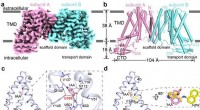
* The cell membrane contains various transport proteins that facilitate the movement of specific molecules across the membrane.
* These proteins can actively transport nutrients into the cell against their concentration gradient, using energy, or passively transport waste products out of the cell, following their concentration gradient.
3. Energy Production:
* In bacteria, the cell membrane plays a crucial role in energy production.
* For example, in bacteria that perform respiration, the cell membrane contains electron transport chains that are involved in ATP synthesis, the process that generates energy for the cell.
4. Signal Transduction:
* The cell membrane also contains receptor proteins that bind to specific molecules outside the cell, such as signaling molecules or nutrients.
* This binding triggers a cascade of events inside the cell, known as signal transduction, allowing the bacteria to sense and respond to changes in its environment.
5. Cell Wall Attachment:
* In many bacteria, the cell membrane is attached to the cell wall, a rigid outer layer that provides structural support and protection to the cell.
* This attachment helps maintain the cell's shape and integrity.
6. Protection:
* The cell membrane acts as a physical barrier that protects the cell from harmful substances in the environment, such as toxins or antibiotics.
Overall, the cell membrane is a vital structure for bacterial cells, playing a critical role in maintaining their internal environment, transporting molecules, generating energy, sensing the environment, and protecting the cell.