1. Defense: This is the most important reason. Secondary compounds act as chemical defenses against:
* Herbivores: They can deter herbivores through taste, smell, or toxicity. Some compounds even disrupt insect growth or digestion.
* Pathogens: They protect against bacterial and fungal infections by acting as antimicrobial agents.
* Competitors: They can inhibit the growth of other plants, giving the producing plant an advantage for resources like sunlight, water, and nutrients.
2. Attraction: Some secondary compounds attract beneficial organisms:
* Pollinators: Flowers produce colorful pigments and fragrant compounds to attract pollinators like bees and butterflies.
* Seed Dispersers: Fruits often contain sweet and flavorful secondary compounds that entice animals to eat them, helping disperse the plant's seeds.
3. Environmental Adaptation: Secondary compounds can help plants cope with harsh environmental conditions:
* UV Radiation: Some compounds act as sunscreens, protecting plants from damaging UV rays.
* Drought: Some compounds help plants retain water, especially in dry environments.
* Cold Temperatures: Certain secondary compounds might help plants survive frost and cold weather.
4. Communication: Plants use secondary compounds to communicate with each other. For example:
* Allelopathy: Some plants release secondary compounds that inhibit the growth of nearby plants.
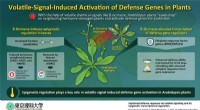
* Defense Signaling: When attacked by herbivores, some plants release volatile compounds that warn nearby plants and trigger defenses.
5. Other Functions:
* Pigmentation: Secondary compounds provide color to flowers, fruits, and leaves, which can attract pollinators or serve as camouflage.
* Growth Regulation: Some secondary compounds play a role in regulating plant growth and development.
It's important to note that:
* Not all secondary compounds have a single specific function. Many compounds have multiple roles in plant defense, attraction, adaptation, or communication.
* The specific secondary compounds produced by a plant can vary depending on its genetic makeup, environmental conditions, and interactions with other organisms.
Overall, secondary compounds are a vital part of plant biology, contributing significantly to their survival, reproduction, and interactions with the environment.