Here's why:
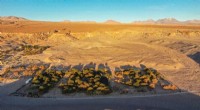
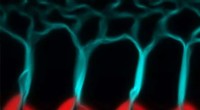
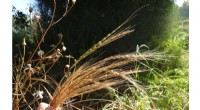
* Plants: Plants are multicellular organisms that make their own food through photosynthesis. They have cell walls made of cellulose.
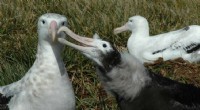
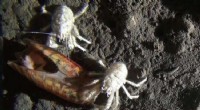
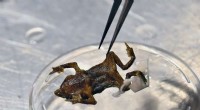
* Animals: Animals are multicellular organisms that get their food by eating other organisms. They do not have cell walls.
* Bacteria: Bacteria are single-celled organisms that can be found almost everywhere on Earth. They have cell walls made of peptidoglycan.
* Fungi: Fungi are multicellular (except for yeasts) organisms that get their food by absorbing nutrients from their surroundings. Their cell walls are made of chitin.
So, while bacteria and fungi share some characteristics with plants and animals, they are distinct life forms with unique characteristics.