1. Basic Building Blocks:
* Cells: The fundamental unit of life. All living organisms are made up of one or more cells.
* Organic Molecules: Life is built from a set of essential organic molecules:
* Carbohydrates: Provide energy and structural support.
* Lipids (fats & oils): Store energy, provide insulation, and form cell membranes.
* Proteins: Perform a vast array of functions, including enzymes, structural components, and hormones.
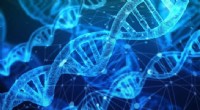
* Nucleic acids (DNA & RNA): Carry genetic information and guide protein synthesis.
2. Key Processes:
* Metabolism: The sum of all chemical reactions that occur within a living organism. This includes:
* Anabolism: Building complex molecules from simpler ones (e.g., protein synthesis).
* Catabolism: Breaking down complex molecules into simpler ones (e.g., digestion).
* Homeostasis: Maintaining a stable internal environment despite external changes. This involves regulating factors like temperature, pH, and water balance.
* Growth and Development: Increasing in size and complexity over time. This is driven by processes like cell division and differentiation.
* Reproduction: Creating new organisms from existing ones, ensuring the continuation of the species.
* Response to Stimuli: Reacting to changes in the environment, such as light, temperature, or touch.
* Adaptation: Evolving over generations to better suit their environment, driven by natural selection.
3. Organ Systems:
* Multicellular organisms have specialized cells that work together to form tissues, organs, and organ systems.
* Examples:
* Digestive system: Breaks down food and absorbs nutrients.
* Circulatory system: Transports oxygen and nutrients throughout the body.
* Nervous system: Coordinates actions and senses the environment.
* Respiratory system: Takes in oxygen and releases carbon dioxide.
4. Energy Flow and Ecosystems:
* Living organisms obtain energy from their surroundings, either through photosynthesis (plants) or consuming other organisms (animals).
* Energy flows through ecosystems, starting with producers (plants) and moving up to consumers (animals).
* Decomposers (bacteria and fungi) break down dead organisms, recycling nutrients back into the ecosystem.
5. The Importance of Genetics:
* DNA contains the genetic code that determines an organism's traits.
* Genes are segments of DNA that code for specific proteins.
* Mutations can occur in DNA, leading to variations in traits and potentially driving evolution.
It's important to note: This is just a brief overview. There are many more intricate processes and details that make up the complex world of living organisms. Biology is a vast and ever-evolving field!