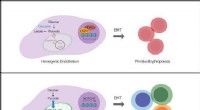
* Plants: Plants need nitrogen to build proteins, nucleic acids (DNA and RNA), and chlorophyll, which is essential for photosynthesis. However, they can't directly use atmospheric nitrogen (N2), which makes up 78% of the air.
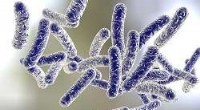
* Nitrogen-fixing bacteria: These bacteria, often found in nodules on plant roots (especially legumes like beans and peas), possess the special enzyme nitrogenase that can convert atmospheric nitrogen (N2) into ammonia (NH3). This ammonia can then be used by the plant.
The exchange:
* Plants provide:
* A hospitable environment for the bacteria to live in, typically within root nodules.
* Carbohydrates (sugars) produced through photosynthesis, providing the bacteria with energy.
* Bacteria provide:
* Fix nitrogen from the atmosphere and convert it into a usable form for the plant (ammonia).
In summary:
* Plants get a vital nutrient (nitrogen) they need to thrive.
* Bacteria get a safe place to live and a steady source of food.
This mutually beneficial relationship is essential for the health of both the plant and the ecosystem it inhabits. It also plays a crucial role in the global nitrogen cycle, making nitrogen available for other organisms in the environment.