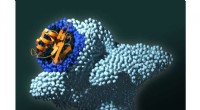
Here's how it works:
* Structure: The cell membrane is composed of a phospholipid bilayer, with a hydrophilic (water-loving) head and a hydrophobic (water-fearing) tail. This structure creates a barrier that prevents most water-soluble molecules from passing through.
* Selective Permeability: The cell membrane is selectively permeable, meaning that it allows certain substances to pass through while blocking others. This is crucial for maintaining the cell's internal environment and carrying out essential functions.
* Passive Transport: Some substances can move across the membrane passively, without the cell expending energy. This includes:
* Diffusion: Movement of molecules from an area of high concentration to an area of low concentration.
* Osmosis: Movement of water across a semipermeable membrane from an area of high water concentration to an area of low water concentration.
* Facilitated Diffusion: Movement of molecules across the membrane with the help of membrane proteins.
* Active Transport: Some substances need the cell to expend energy to move them across the membrane. This is called active transport and requires the use of membrane proteins called pumps.
* Endocytosis and Exocytosis: These processes allow large molecules and particles to enter and exit the cell, respectively.
* Endocytosis: The cell membrane folds inwards, engulfing the substance and forming a vesicle that transports it into the cell.
* Exocytosis: Vesicles containing substances fuse with the cell membrane, releasing their contents outside the cell.
In short, the cell membrane is the gatekeeper of the cell, carefully controlling what enters and exits, ensuring the cell's survival and proper functioning.