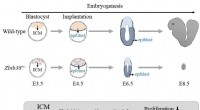
1. Mutation: This is the ultimate source of new genetic variation. Mutations are changes in the DNA sequence, which can occur spontaneously or due to environmental factors like radiation. These changes can be beneficial, harmful, or neutral, and they are passed on to offspring.
2. Recombination: This process shuffles existing genetic variation within a population. During sexual reproduction, chromosomes from the mother and father exchange genetic material, creating new combinations of alleles (versions of genes). This recombination leads to offspring with different combinations of traits than their parents, increasing genetic diversity.
These two processes, mutation and recombination, work together to generate and diversify the genetic makeup of populations, ultimately driving evolution.