Basic Eukaryotic Cell Structure:
* Plasma membrane: A thin, flexible barrier that encloses the cell and regulates what enters and exits.
* Cytoplasm: The gel-like substance that fills the cell, containing organelles and other cellular components.
* Nucleus: The control center of the cell, containing DNA and regulating cellular activities.
* Ribosomes: Small structures that synthesize proteins.
* Endoplasmic reticulum (ER): A network of interconnected membranes involved in protein synthesis, lipid metabolism, and detoxification.
* Golgi apparatus: A stack of flattened sacs that modifies, sorts, and packages proteins and lipids.
* Mitochondria: The powerhouses of the cell, responsible for generating energy (ATP).
* Lysosomes: Membranous sacs containing enzymes that break down cellular waste.
Specialized Cells in Dogs:
Beyond this basic structure, dogs, like all animals, have many specialized cells that perform specific functions:
* Muscle cells: Responsible for movement and contraction.
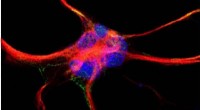
* Nerve cells: Transmit electrical signals throughout the body.
* Blood cells: Carry oxygen, fight infections, and help clot blood.
* Epithelial cells: Line the surfaces of organs and cavities.
* Connective tissue cells: Provide support and structure to organs and tissues.
Specific to dogs, there are also specialized cells within:
* Hair follicles: Produce hair, providing insulation and protection.
* Skin cells: Provide a protective barrier against the environment.
* Digestive cells: Break down food and absorb nutrients.
* Reproductive cells: Responsible for sexual reproduction.
Key Points:
* All cells in a dog are eukaryotic.
* Dogs have a variety of specialized cell types, each with a specific function.
* The structure and function of cells are fundamental to the health and well-being of a dog.
Further Exploration:
For deeper understanding of cell structure and function in dogs, you can research specific cell types, organ systems, or explore topics like cellular differentiation, cell signaling, and cell division.