* Carbohydrates: These are the body's primary source of energy. They are also involved in cell structure, cell recognition, and signaling.
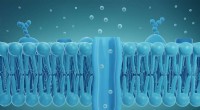
* Lipids (fats and oils): Lipids serve as a long-term energy store, provide insulation, and are structural components of cell membranes. They are also involved in hormone production and cell signaling.
* Proteins: Proteins are the workhorses of the body, carrying out a wide range of functions, including:
* Enzymes: Catalyze biochemical reactions.
* Structural components: Provide support for cells and tissues.
* Hormones: Act as chemical messengers.
* Antibodies: Protect the body from disease.
* Transport proteins: Carry molecules throughout the body.
* Nucleic Acids (DNA and RNA): These molecules store and transmit genetic information. DNA contains the instructions for building and maintaining an organism, while RNA plays a crucial role in protein synthesis.
These four macromolecules work together in a complex and interconnected way to maintain life. They are constantly being broken down and rebuilt, providing the building blocks and energy needed for the body to function.