1. Visualizing the Invisible: Cells are incredibly small, typically measuring only a few micrometers in diameter. Without microscopes, we would have no way to see their structure, organization, or even confirm their existence.
2. Understanding Cell Structure and Function: Microscopes allow us to:
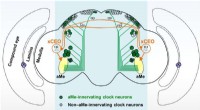
* Observe the basic components of cells: We can see the nucleus, cytoplasm, cell membrane, and organelles like mitochondria, Golgi apparatus, and endoplasmic reticulum.
* Study the detailed architecture of these structures: This helps us understand how they function and interact within the cell.
* Identify and analyze different types of cells: Microscopes allow us to distinguish between different cell types based on their size, shape, and internal structures.
3. Research and Disease Studies: Microscopes are essential tools in many research areas, including:
* Cell biology: Understanding cell growth, division, and differentiation.
* Genetics: Studying the structure and function of chromosomes.
* Microbiology: Examining bacteria, viruses, and other microorganisms.
* Medicine: Diagnosing diseases, monitoring cell responses to treatments, and understanding the causes of diseases at the cellular level.
4. Education and Training: Microscopes play a vital role in educating students about the wonders of the microscopic world. They bring the study of cells to life, fostering curiosity and a deeper understanding of biology.
Types of Microscopes and Their Uses:
* Light Microscopes: The most common type, using visible light to illuminate samples. They are used for basic observations of cell structure and morphology.
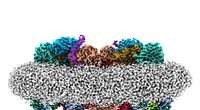
* Electron Microscopes: Use a beam of electrons to create images. These are much more powerful and allow for much greater resolution, enabling us to see the intricate details of cellular components.
* Fluorescence Microscopes: Use fluorescent dyes to highlight specific structures or molecules within cells. This allows for detailed studies of cell function and interactions.
In conclusion, microscopes are indispensable tools that have revolutionized our understanding of cells. They allow us to explore the microscopic world, revealing the complex and fascinating workings of life at its most fundamental level.