Plants are autotrophs: This means they can produce their own food through photosynthesis. They use sunlight, water, and carbon dioxide to synthesize carbohydrates (sugars) which serve as their primary energy source. Plants can also absorb minerals and other nutrients directly from the soil through their roots.
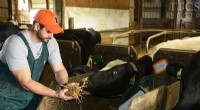
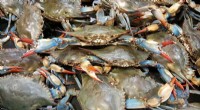
Animals are heterotrophs: They cannot produce their own food and rely on consuming other organisms (plants or animals) to obtain energy and essential nutrients. Animals break down these organic compounds through digestion and absorb the necessary nutrients to fuel their bodies.
Here's a table summarizing the key differences:
| Feature | Plants | Animals |
|-------------------|-------------------------------------|-----------------------------------------|
| Energy Source | Photosynthesis (sunlight, water, CO2)| Consuming other organisms (plants/animals)|
| Nutrient Source | Soil (minerals, water) | Food (organic compounds) |
| Nutritional Mode | Autotrophic | Heterotrophic |
Other key differences:
* Types of nutrients: Plants require minerals like nitrogen, phosphorus, and potassium, while animals need vitamins, amino acids, and fatty acids.
* Digestion: Plants don't have digestive systems like animals. They absorb nutrients directly through their roots.
* Waste products: Plants release oxygen and water as waste products, while animals excrete carbon dioxide, urea, and other waste products.
In conclusion, plants are self-sufficient in their nutrition, relying on the sun for energy and minerals from the soil. Animals, on the other hand, depend on external sources of organic matter for their energy and nutrient needs.