Here's how it works:
1. Secretion of enzymes: Fungi release digestive enzymes onto their food source. These enzymes break down complex organic molecules into simpler compounds that can be absorbed.
2. Absorption: Fungi have a large surface area due to their thread-like structures called hyphae. This allows them to efficiently absorb the digested nutrients through their cell walls.
3. Utilization: The absorbed nutrients are then used for growth, reproduction, and other life processes.
Types of Fungi and their Energy Sources:
* Saprophytes: These fungi feed on dead organic matter, such as decaying leaves, wood, and animal remains. They play a crucial role in decomposition and recycling nutrients.
* Parasites: These fungi live on or within other living organisms, obtaining nutrients at the expense of their host. Examples include athlete's foot fungus and rust fungi.
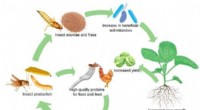
* Mutualists: Some fungi have symbiotic relationships with other organisms, where both organisms benefit. For example, mycorrhizal fungi form associations with plant roots, providing them with nutrients and water in exchange for sugars produced by the plant.
In summary: Fungi obtain energy by secreting digestive enzymes onto their food source, absorbing the digested nutrients, and using them for growth and other essential functions. They can be saprophytes, parasites, or mutualists depending on their food source and relationship with other organisms.