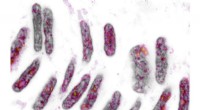
1. Cells: The fundamental building blocks of all living things. Each cell is a self-contained unit, carrying out life processes and working together to form tissues and organs.
2. Tissues: Groups of similar cells that work together to perform a specific function. There are four primary types:
* Epithelial tissue: Covers the surface of the body, lines cavities and organs, and forms glands.
* Connective tissue: Supports and connects other tissues and organs. Examples include bone, cartilage, blood, and fat.
* Muscle tissue: Allows movement, and is found in skeletal, smooth, and cardiac muscles.
* Nervous tissue: Transmits information throughout the body via nerve impulses.
3. Organs: Structures made up of different tissues that work together to perform a complex function. Examples include the heart, lungs, brain, stomach, and liver.
4. Organ Systems: Groups of organs that work together to carry out major bodily functions. The 11 major organ systems are:
* Integumentary System: Skin, hair, nails - protection and regulation of body temperature.
* Skeletal System: Bones, cartilage, ligaments, tendons - support, movement, and protection of organs.
* Muscular System: Skeletal muscles - movement, posture, heat production.
* Nervous System: Brain, spinal cord, nerves - receives, processes, and transmits information.
* Endocrine System: Glands that secrete hormones - regulation of body functions.
* Cardiovascular System: Heart, blood vessels, blood - transport of oxygen, nutrients, and waste.
* Lymphatic System: Lymphatic vessels, lymph nodes, spleen - immunity and fluid balance.
* Respiratory System: Lungs, airways - gas exchange.
* Digestive System: Mouth, esophagus, stomach, intestines - breakdown and absorption of food.
* Urinary System: Kidneys, bladder, ureters - filtration of waste and regulation of fluid balance.
* Reproductive System: Male and female reproductive organs - reproduction.
5. Body Fluids: Essential for maintaining life processes. Major components include:
* Blood: Transports oxygen, nutrients, and waste throughout the body.
* Lymph: A fluid that circulates throughout the lymphatic system, collecting waste and fighting infection.
* Cerebrospinal fluid: Protects the brain and spinal cord.
* Synovial fluid: Lubricates joints.
6. Chemical Components: The body is composed of various chemical elements and compounds, including:
* Water: The most abundant component, essential for all bodily functions.
* Proteins: Building blocks for tissues, enzymes, and hormones.
* Carbohydrates: Provide energy for cells.
* Lipids (fats): Provide energy, insulation, and protection.
* Nucleic acids (DNA and RNA): Carry genetic information and direct protein synthesis.
* Minerals: Essential for various bodily functions, including bone health, nerve transmission, and muscle contraction.
This breakdown provides a basic framework for understanding the major components of the human body. It is important to note that these components are interconnected and work together in a complex and dynamic way to maintain life.