1. Climate: This is arguably the most important factor. Scientists consider the average temperature, precipitation, and seasonal variations in these factors to determine a biome.
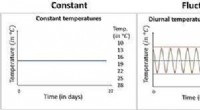
* Temperature: Biomes are categorized by temperature ranges, for example, tropical biomes are consistently warm while tundra biomes are very cold.
* Precipitation: The amount and distribution of rainfall significantly influence plant and animal life.
* Seasonal Variation: Differences in temperature and rainfall throughout the year also shape the biome.
2. Plant and Animal Life: The dominant types of plants and animals present in a biome reflect its specific climate and environmental conditions.
* Plant Adaptations: The types of plants found in a biome are adapted to the climate and soil conditions. For example, deserts have plants that conserve water, while rainforests have tall trees that compete for sunlight.
* Animal Adaptations: Animals also have adaptations that allow them to thrive in their specific biome. For example, polar bears have thick fur for insulation in cold climates, while zebras have stripes for camouflage in grasslands.
3. Soil: The soil type and composition influence the types of plants that can grow, which in turn affects the animals that live in the biome.
4. Latitude and Altitude: These factors can affect climate and thus influence biome classification.
* Latitude: Biomes often exhibit a latitudinal zonation, with different biomes appearing at different distances from the equator.
* Altitude: As altitude increases, temperatures tend to decrease, leading to changes in vegetation and animal life.
5. Other factors: These include geological features, human influence, and disturbance events like fires or floods.
Here's how these factors work together:
* Climate determines the dominant plant life, which in turn influences the types of animals that can survive there.
* Soil properties affect plant growth and animal habitats.
* Latitude and altitude create variations in climate and therefore influence biome distribution.
By considering these factors, scientists can accurately classify biomes and understand the unique characteristics of each one.