Here's a breakdown:
* Mitosis is cell division: It's how a single cell divides into two identical daughter cells.
* Chromosomes carry genetic information: DNA is organized into structures called chromosomes, which contain all the genetic instructions for the cell to function.
* Equal distribution is crucial: For both daughter cells to be functional and have the same genetic makeup as the parent cell, each needs a full set of chromosomes.
Here's how it works:
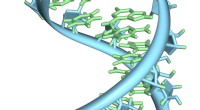
1. DNA replication: Before mitosis begins, the cell duplicates its entire DNA content. This process is called DNA replication.
2. Chromosomes condense: The duplicated DNA is organized into condensed chromosomes, each consisting of two identical copies called sister chromatids.
3. Mitosis: During mitosis, the sister chromatids separate, with one copy going to each daughter cell. This ensures that each daughter cell receives a complete set of chromosomes.
Without DNA replication:
* Each daughter cell would only receive half of the parent cell's chromosomes.
* This would lead to genetic deficiencies and likely result in non-functional or abnormal daughter cells.
In short, DNA replication before mitosis is essential for ensuring that every new cell receives a complete set of genetic instructions, guaranteeing proper function and maintaining the integrity of the organism's genetic code.