Here are the key mechanisms involved:
* Passive Transport: This type of transport doesn't require energy from the cell.
* Diffusion: Movement of substances from an area of high concentration to an area of low concentration.
* Osmosis: Movement of water across a semi-permeable membrane from a region of high water concentration to a region of low water concentration.
* Facilitated Diffusion: Movement of substances across the membrane with the help of transport proteins, still driven by concentration gradients.
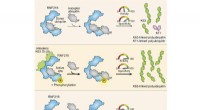
* Active Transport: This type of transport requires energy from the cell to move substances against their concentration gradient (from low to high concentration).
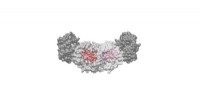
* Protein Pumps: These proteins use energy to move specific substances across the membrane.
* Endocytosis: The cell membrane engulfs large particles or molecules and brings them into the cell.
* Exocytosis: Vesicles inside the cell fuse with the cell membrane and release their contents outside the cell.
The cell membrane is composed of a phospholipid bilayer with embedded proteins. These proteins play a vital role in controlling the movement of substances across the membrane.
Here's a summary:
| Mechanism | Description | Requires Energy? | Example |
|---|---|---|---|
| Passive Transport | Movement down a concentration gradient | No | Diffusion of oxygen into a cell |
| Active Transport | Movement against a concentration gradient | Yes | Sodium-potassium pump |
| Endocytosis | Engulfing large particles | Yes | Phagocytosis of bacteria by white blood cells |
| Exocytosis | Releasing substances from the cell | Yes | Release of neurotransmitters from nerve cells |
The cell membrane's ability to control the passage of substances is essential for life. It ensures that cells maintain their internal environment, receive nutrients, eliminate waste products, and communicate with other cells.