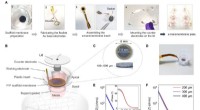
1. Organization: Living things are highly organized, with complex structures made up of specialized cells, tissues, organs, and organ systems.
2. Metabolism: Living organisms carry out a variety of chemical reactions, collectively known as metabolism, to obtain and use energy.
3. Growth and Development: Living organisms increase in size and complexity over time. This includes changes in form and function, as well as the production of new cells and tissues.
4. Responsiveness: Living organisms respond to stimuli in their environment. This includes reactions to light, temperature, touch, and chemical changes.
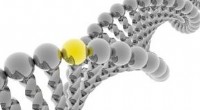
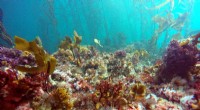
5. Adaptation: Living organisms evolve over time to better suit their environment. This involves changes in genetic makeup and physical traits that improve survival and reproduction.
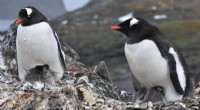
6. Reproduction: Living organisms create new individuals of their own kind through sexual or asexual reproduction.
7. Homeostasis: Living organisms maintain a stable internal environment, even when external conditions change. This includes regulating temperature, pH, water content, and other vital factors.
It's important to note that these characteristics are not always present in all living organisms at all times. For example, some organisms may not exhibit obvious growth or movement, and some viruses exhibit only a few of these characteristics.
However, these seven characteristics provide a useful framework for understanding the fundamental properties of life.