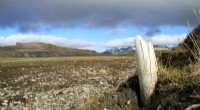
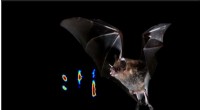
* Abiotic factors: These are non-living components of the environment that shape the conditions of a biome. Key examples include:
* Climate: Temperature, precipitation, and sunlight are major determinants of biome type. For example, tropical rainforests thrive in warm, humid climates, while deserts exist in hot, dry regions.
* Soil: Soil type and nutrient availability influence which plants can grow, which in turn affects the animals that can live there.
* Elevation: Altitude changes temperature and precipitation, impacting the types of plants and animals present.
* Biotic factors: These are living components of the environment, and they adapt to the conditions set by abiotic factors. While they can influence each other, they don't define the biome type itself. Examples include:
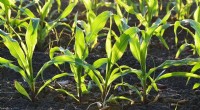
* Plant life: The dominant vegetation of a biome is heavily influenced by climate, but it can also shape the habitat for animals.
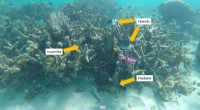
* Animal life: Animals are adapted to the existing plant and climate conditions, but their presence doesn't dictate the overall biome type.
In summary: While biotic factors play a role in the ecosystem, the abiotic factors, particularly climate, are the main determinants of biome type. Biotic factors adapt to the conditions set by the abiotic environment.