Here's a breakdown:
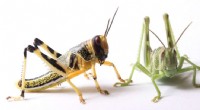
* Biotic factors: These are the living components of an ecosystem. Examples include plants, animals, fungi, bacteria, and even decomposers like earthworms.
* Abiotic factors: These are the non-living components of an ecosystem. Examples include sunlight, temperature, water, soil, air, and minerals.
The interaction between biotic and abiotic factors creates a complex web of relationships within an ecosystem. Here are some examples of how they interact:
* Plants use sunlight (abiotic) for photosynthesis (biotic) to create energy.
* Animals (biotic) need water (abiotic) to survive.
* The temperature (abiotic) of the environment influences the types of plants (biotic) that can grow there.
* Soil composition (abiotic) determines the types of organisms (biotic) that can live in it.
Ultimately, the interactions between biotic and abiotic factors determine the overall structure, function, and health of an ecosystem.