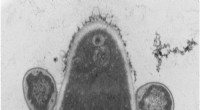
The cell membrane is selectively permeable, meaning it controls which substances can enter and exit the cell. This selective permeability is due to the structure of the cell membrane, which consists of a phospholipid bilayer with embedded proteins.
Here's a breakdown:
* Phospholipid bilayer: The core of the membrane is a double layer of phospholipid molecules. The hydrophilic (water-loving) heads of these molecules face the watery environments inside and outside the cell, while the hydrophobic (water-fearing) tails face each other, forming a barrier that prevents most water-soluble substances from passing through.
* Membrane proteins: Embedded within this bilayer are proteins that act as channels, pumps, and receptors. These proteins facilitate the movement of specific molecules across the membrane.
Factors determining permeability:
* Size: Small molecules like water, oxygen, and carbon dioxide can diffuse through the membrane, while larger molecules require assistance from proteins.
* Polarity: Nonpolar molecules like lipids can easily pass through the hydrophobic core of the membrane, while polar molecules struggle.
* Charge: Charged molecules require specific channels or transporters to move across the membrane.
Types of transport:
* Passive transport: Movement of molecules across the membrane without requiring energy (e.g., diffusion, osmosis).
* Active transport: Movement of molecules against their concentration gradient, requiring energy (e.g., protein pumps).
In summary, the cell membrane is not a free-for-all, but a carefully regulated barrier that allows only specific molecules to pass through.