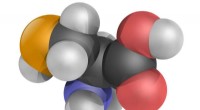
1. Nitrogenous base: This is a nitrogen-containing molecule that comes in two main types: purines (adenine and guanine) and pyrimidines (cytosine, thymine, and uracil). The specific base determines the nucleotide's identity.
2. Sugar: This is a five-carbon sugar called deoxyribose in DNA and ribose in RNA. It forms the backbone of the nucleotide.
3. Phosphate group: This is a molecule containing phosphorus and oxygen, which is attached to the sugar. The phosphate group gives the nucleotide its acidic properties.
These three components are linked together in a specific order: the phosphate group is attached to the 5' carbon of the sugar, and the base is attached to the 1' carbon of the sugar.