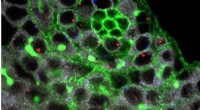
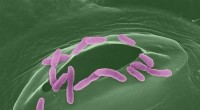
* Free Cells: Robert Hooke is credited with the discovery of cells in 1665. He observed cork cells under a microscope and coined the term "cell" due to their resemblance to the small rooms in a monastery. However, he was looking at dead plant cells, not living cells.
* Nucleus: Robert Brown is credited with the discovery of the nucleus in 1831. He was studying plant cells (specifically orchids) and observed a dense, round structure within the cells, which he named the "nucleus." He didn't fully understand its function, but his observations were critical for later scientists who developed the cell theory.
It's important to note that while Hooke and Brown are recognized for their discoveries, other scientists like Matthias Schleiden, Theodor Schwann, and Rudolf Virchow played pivotal roles in further understanding and developing the cell theory.