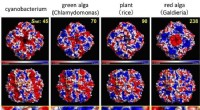
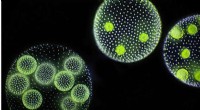
1. Diversity of Protists: The term "protist" encompasses a vast and diverse group of organisms, ranging from simple single-celled organisms like amoebas to more complex multicellular organisms like seaweed.
2. Complexity is Relative: "Complexity" is a relative term. Protists may be more complex than bacteria in terms of internal structures and functions, but they are significantly less complex than cells within multicellular organisms like plants and animals.
3. Specialized Cells in Multicellular Organisms: Cells in multicellular organisms are highly specialized, with different types performing specific functions. These cells are interconnected and communicate with each other, forming tissues and organs. Protists, even the more complex ones, lack this level of specialization and integration.
4. Evolutionary Perspective: Protists are considered early branches of the eukaryotic lineage. While they are more complex than prokaryotic cells, their complexity arose through a different evolutionary path than that of multicellular organisms.
Instead of considering them the "most complex", it's more accurate to say that protists are highly diverse and exhibit a range of complexity, some possessing features that are absent in other single-celled organisms.
Examples of complex protist features:
* Organelles: Protists can have a wide array of specialized organelles, including chloroplasts, mitochondria, and contractile vacuoles, each contributing to specific cellular functions.
* Locomotion: Some protists have complex structures for movement, such as cilia, flagella, and pseudopodia.
* Reproduction: Protists exhibit a variety of reproductive strategies, including sexual and asexual reproduction.
* Symbiosis: Protists can form complex symbiotic relationships with other organisms, such as the relationship between algae and coral.
In conclusion, while some protists display significant complexity, it is misleading to label them as the "most complex" type of cells. Complexity is relative, and protists represent a diverse group with varying levels of complexity.