1. Indirectly through their effects:
* Phenotype: Scientists can observe the physical traits (phenotype) an organism expresses, which are often determined by its genes. For example, a plant's flower color or a person's eye color are influenced by their genes.
* Genetic disorders: Observing patterns of inherited diseases in families can help scientists infer the presence of specific genes or mutations.
2. Using specialized tools and techniques:
* Microscopy:
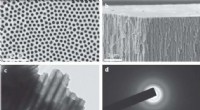
* Electron microscopy: While not seeing the genes themselves, electron microscopes can reveal the structure of chromosomes, which are made up of DNA and contain genes.
* Fluorescence microscopy: Scientists can use fluorescent probes that bind to specific DNA sequences to visualize genes under a microscope. This method allows scientists to see the location of specific genes within chromosomes.
* Molecular Techniques:
* DNA sequencing: This technique allows scientists to read the entire sequence of DNA, including the genes. This provides the blueprint for understanding the genetic code.
* PCR (Polymerase Chain Reaction): PCR is a technique that amplifies specific DNA sequences, making them easier to study. By analyzing the PCR products, scientists can identify and study specific genes.
* Restriction Enzyme Digestion: Enzymes that cut DNA at specific sequences can be used to analyze gene structure.
* Genome editing: Techniques like CRISPR-Cas9 allow scientists to manipulate specific genes, allowing them to study their function and understand their role in different biological processes.
3. Through Computational Analysis:
* Bioinformatics: Scientists use computer programs to analyze vast amounts of genetic data, helping them identify genes, predict their functions, and understand how they interact with each other.
In essence, scientists "see" genes through their effects on the organism, by using powerful techniques that reveal their structure and function, and through computational analysis that allows them to interpret the genetic code.