Here's why:
* Sexual reproduction involves the combination of genetic material from two parents (typically a male and a female). Each parent contributes half of their genetic information to the offspring.
* This mixing of genes leads to genetic variation in the offspring, making them different from both parents.
In contrast, asexual reproduction involves only one parent. The offspring is a genetic clone of the parent, meaning they have the same genetic makeup. Examples of asexual reproduction include:
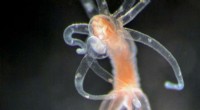
* Budding: A new organism develops from an outgrowth or bud on the parent.
* Fragmentation: A parent organism breaks into fragments, and each fragment develops into a new individual.
* Parthenogenesis: A female organism produces offspring without fertilization.
Let me know if you'd like more details on any of these reproduction methods!