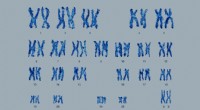
* Crossing Over: During meiosis, homologous chromosomes (one from each parent) exchange genetic material. This process, called crossing over, shuffles genes, creating new combinations of alleles.
* Independent Assortment: The way chromosomes line up during meiosis is random. This means that each daughter cell receives a unique combination of maternal and paternal chromosomes.
* Genetic Recombination: The combined effect of crossing over and independent assortment leads to genetic recombination, creating a vast number of genetically diverse gametes (sperm and egg cells).
Why is genetic diversity important for evolution?
* Adaptability: A diverse gene pool provides a wider range of traits for a population. When the environment changes, some individuals may possess traits that make them better suited to survive and reproduce. This allows the population to adapt to new challenges.
* Natural Selection: Natural selection acts on the variations within a population. Individuals with advantageous traits are more likely to survive and reproduce, passing on their genes. Genetic diversity fuels this process.
* Reduced Risk of Extinction: A diverse gene pool makes a population more resilient to disease, environmental change, and other threats.
In essence, meiosis is the engine of genetic variation, which is the fuel for evolutionary change.