Early Discoveries (17th-19th Centuries):
* The First Glimpse (1665): Robert Hooke, using a crude microscope, observed tiny compartments in a piece of cork, which he named "cells" due to their resemblance to the cells of a monastery. This was the first time anyone observed these basic units of life.
* The "Cell Theory" (1838-1839): Theodor Schwann and Matthias Schleiden independently formulated the "cell theory," which stated that all living organisms are composed of cells and that all cells arise from pre-existing cells. This revolutionized biology.
* The Importance of the Nucleus (1831): Robert Brown identified the nucleus, a key structure within the cell, which was later recognized as the control center containing genetic information.
* The Development of Microscopy: Advancements in microscopy technology, like the development of the light microscope and later the electron microscope, allowed for increasingly detailed observations of cells and their internal structures.
The 20th Century: Breaking the Code:
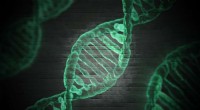
* Unraveling DNA (1940s-1950s): The discovery of DNA's structure by Watson and Crick in 1953, along with the understanding of its role in carrying genetic information, unlocked a new era in cell biology.
* Cellular Processes and Pathways: Researchers began unraveling the complex processes within cells, including protein synthesis, metabolism, cell division, and signaling pathways.
* The Rise of Molecular Biology: Techniques like DNA sequencing, gene cloning, and gene editing provided powerful tools to study the molecular mechanisms of cellular functions.
21st Century: Beyond the Cell:
* High-throughput Screening: Scientists can now study thousands of genes and proteins simultaneously, enabling them to explore complex interactions within the cell and beyond.
* Systems Biology: Focuses on understanding how all the parts of a cell work together in complex systems, offering a holistic view of cellular processes.
* Imaging Technologies: Advances in fluorescence microscopy, super-resolution microscopy, and cryo-electron microscopy provide stunning visualizations of cellular structures and processes at incredibly high resolution.
Key Factors in this Progress:
* Technological Advancements: Improved microscopes, DNA sequencing, gene editing, and other tools have been essential for exploring the intricacies of cells.
* Collaborative Research: The field of cell biology has benefited from the collaborative efforts of scientists across diverse disciplines, including biology, chemistry, physics, and medicine.
* The Scientific Method: Rigorous experimentation, hypothesis testing, and peer review have ensured the reliability and advancement of our understanding of cell biology.
Today, we continue to explore the fascinating world of the cell. We're discovering new functions, exploring the relationship between cells and their environment, and investigating the causes and treatments of diseases at the cellular level. This remarkable journey of scientific discovery is far from over.